
By: Emiliano Travieso
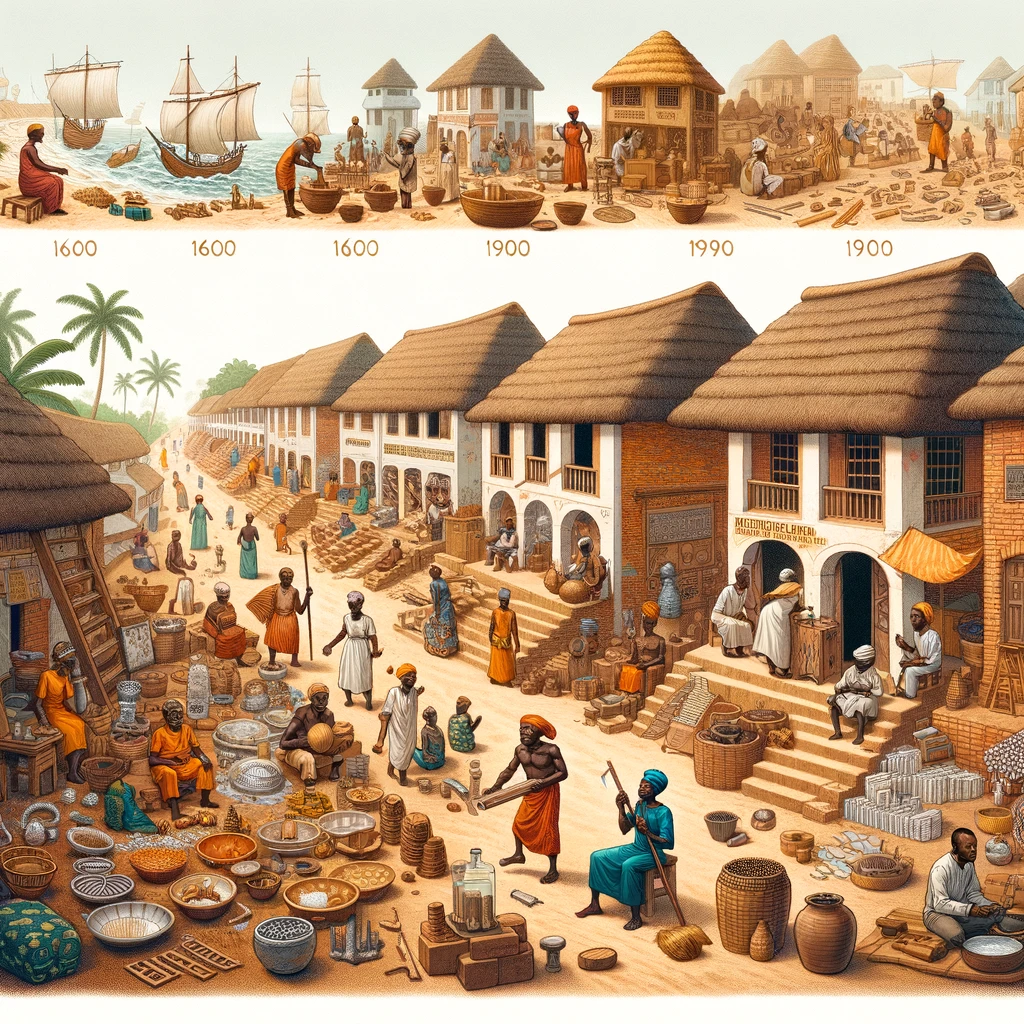
This article investigates the evolution of artisanal production in West Africa from 1600 to 1900, focusing on the factors contributing to its resilience and decline. It argues that while West African artisanal industries initially thrived due to regional demand and innovation, the advent of colonial rule and the introduction of European goods significantly disrupted local production. The analysis demonstrates how colonial policies, market competition, and technological changes marginalized artisanal producers, leading to a decline in traditional crafts. However, the article also highlights instances of resilience where local artisans adapted to new market conditions. The study offers insights into the complex interactions between local economies and colonial forces.