By: EMINEGÜL KARABABA
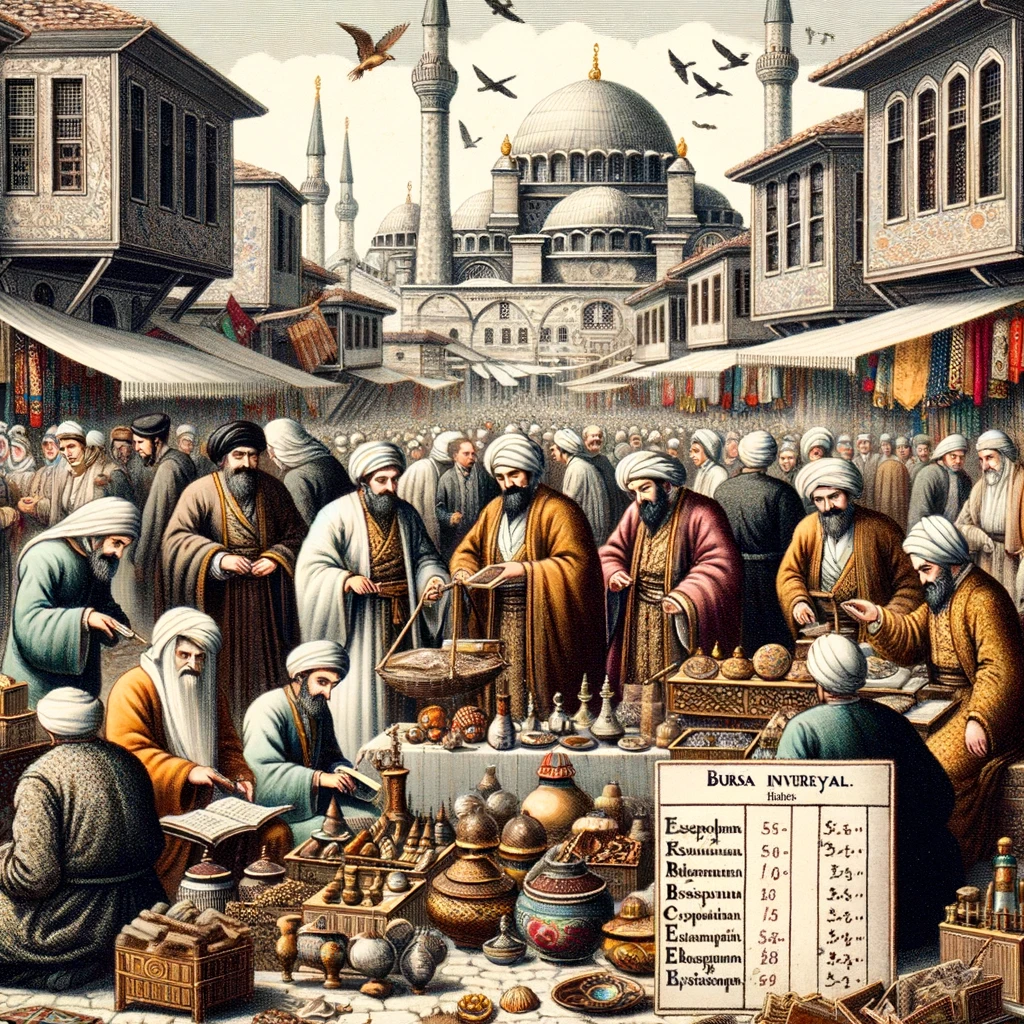
This article delves into the early modern Ottoman consumer culture through the analysis of probate inventories from Bursa, offering a window into the material life and consumption patterns of Ottoman society. By examining the possessions listed in these inventories, the study reveals the diversity of goods, their distribution across different social strata, and the changing tastes and preferences over time. This research contributes to understanding the economic and social transformations in the Ottoman Empire, highlighting the role of consumer goods in shaping identities, social relations, and economic activities. The findings challenge simplistic notions of Islamic societies’ consumption practices, revealing a dynamic and complex consumer culture that was integral to the Ottoman economy and society.