By: Laura Panza & Jeffrey G. Williamson
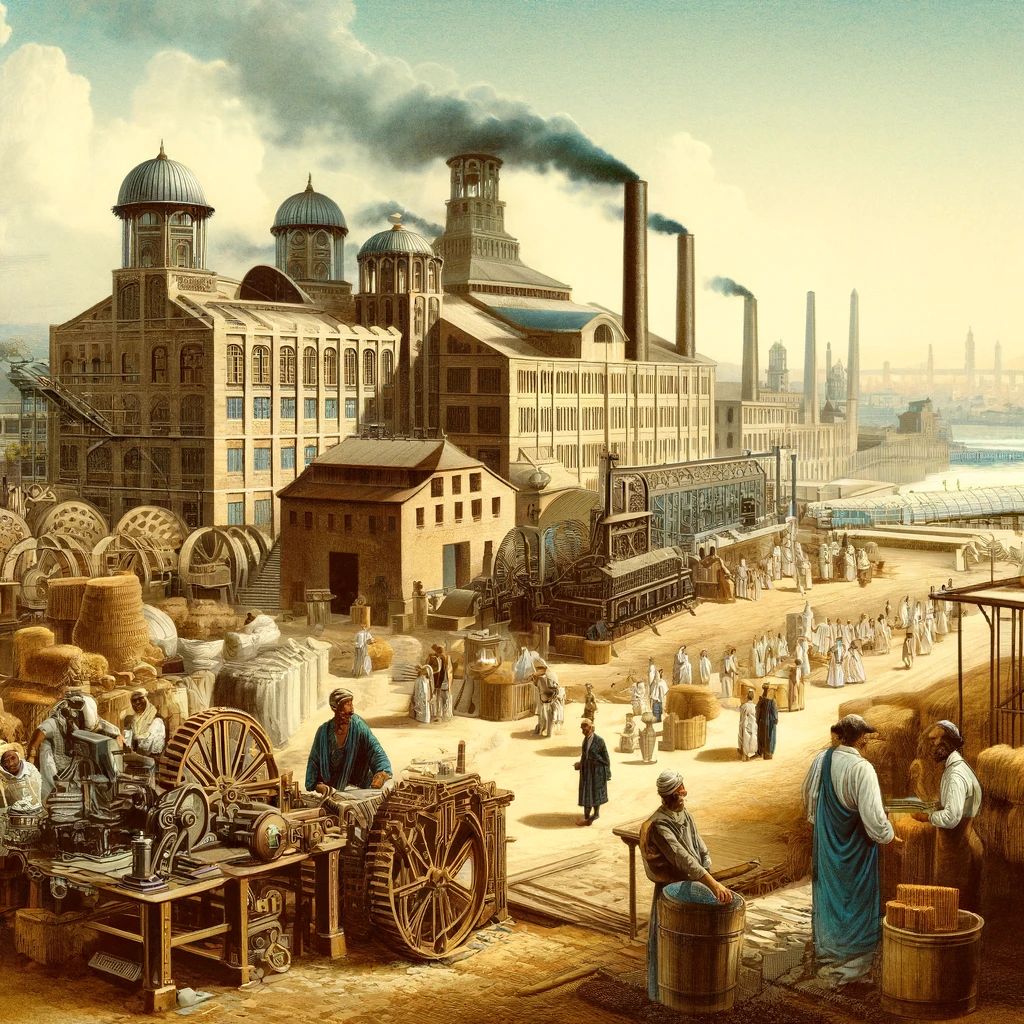
Laura Panza and Jeffrey G. Williamson analyze Muhammad Ali’s economic policies in Egypt between 1805 and 1849, focusing on his efforts to foster industrialization. They examine how Ali, in an era of global market integration and industrial transformation, attempted to modernize Egypt’s economy through state-led initiatives. These included buying agricultural commodities at low prices for export at higher rates, imposing land taxes, subsidizing domestic textile manufacturing, and protecting local industries from foreign competition through non-tariff barriers. Despite facing a global trend of de-industrialization due to adverse terms of trade, the authors argue that Ali’s policies were notably successful in promoting industry within Egypt. By investing in manufacturing and infrastructure, while also shielding the local market from the influx of European goods, Ali managed to sustain and even grow Egypt’s industrial base. This study reassesses Ali’s industrialization efforts, suggesting they had a positive impact despite the broader global economic challenges of the time